We frequently see local homeowners struggle to choose the best material for surviving the punishing Arizona heat.
That intense desert sun forces properties to adopt solutions capable of handling 160-degree surface temperatures. You probably notice these distinctive roofs on almost every street in Tucson, from historic university homes to new builds out in Vail. Our locally owned team at Tucson Roof Gurus, under the guidance of Kevin Bayes, has installed hundreds of these systems across southern Arizona.
Deciding between clay vs concrete tile roofing in Tucson: what you need to know usually revolves around two major factors like lifespan and weight. We know this specific distinction acts as the dividing line between a standard replacement and a truly generational investment. Let me lay out the factual differences between these two options to help you choose wisely.
Understanding the Materials
Clay Tile
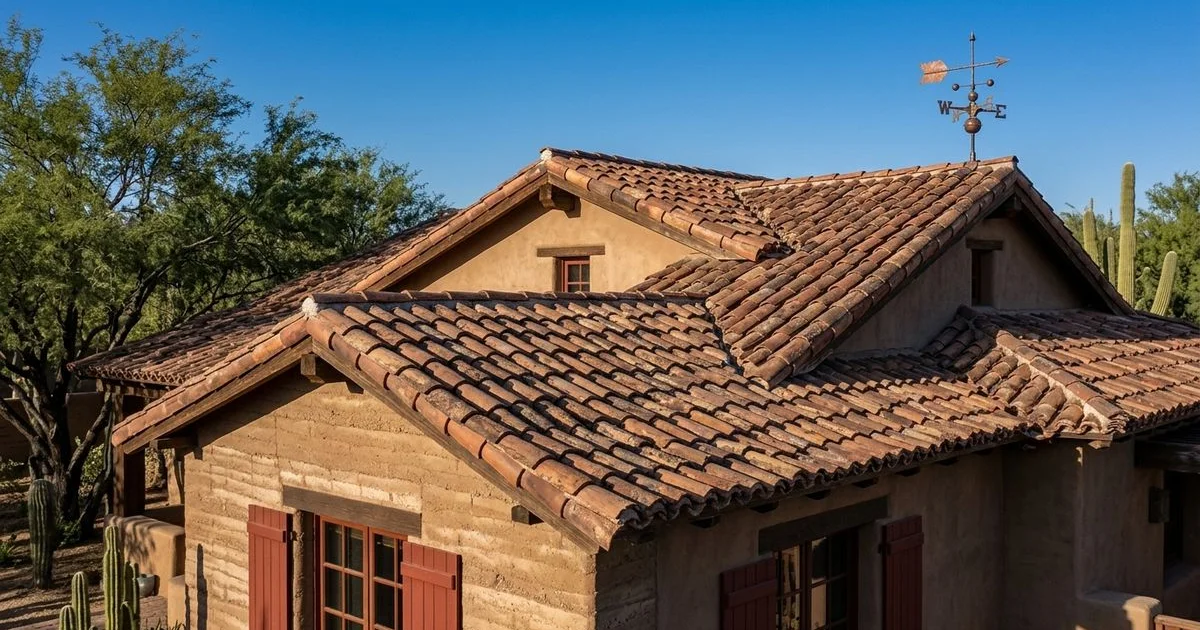
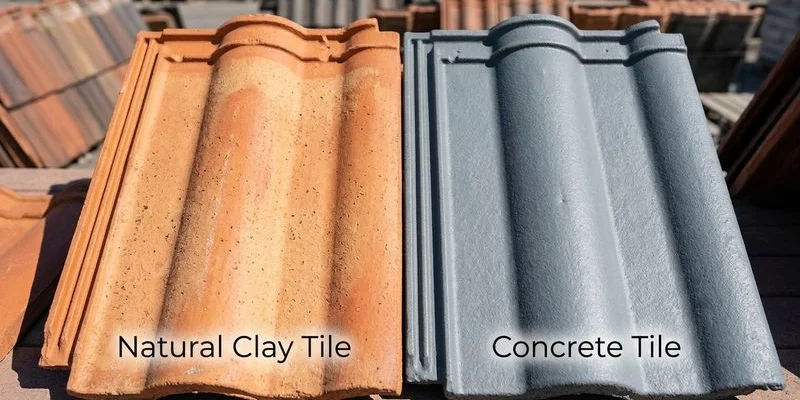
Natural clay is shaped and fired in a kiln at extremely high temperatures to create this classic architectural material. The iconic terra cotta color that defines Southwestern architecture comes directly from natural iron oxide mixed into the earth. We frequently install premium clay options from top-tier manufacturers like Ludowici or MCA for historic downtown restorations.
These high-end products offer incredible thermal resistance against the desert sun. Specific lines like MCA’s Classic Tapered Mission tiles feature a high Solar Reflectance Index. This reflective rating actively bounces solar radiation away from your house, lowering your monthly summer cooling bills.
Our crews appreciate how this dense, kiln-fired surface creates a hard protective shell that easily lasts for generations. Brands like Ludowici even back their products with an impressive 75-year material warranty.
“Premium clay tiles easily withstand continuous temperatures exceeding 1,000 degrees Fahrenheit, ensuring the material never degrades under the brutal Tucson summer sun.”
Concrete Tile
Manufacturers build concrete tile from a mixture of Portland cement, sand, water, and applied iron oxide pigments. The molding process requires ambient curing rather than the expensive kiln firing required for clay. This production method makes concrete significantly less expensive to create.
We regularly work with top regional brands that engineer products specifically for the desert:
- Eagle Roofing
- Westlake Royal Roofing
- US Tile
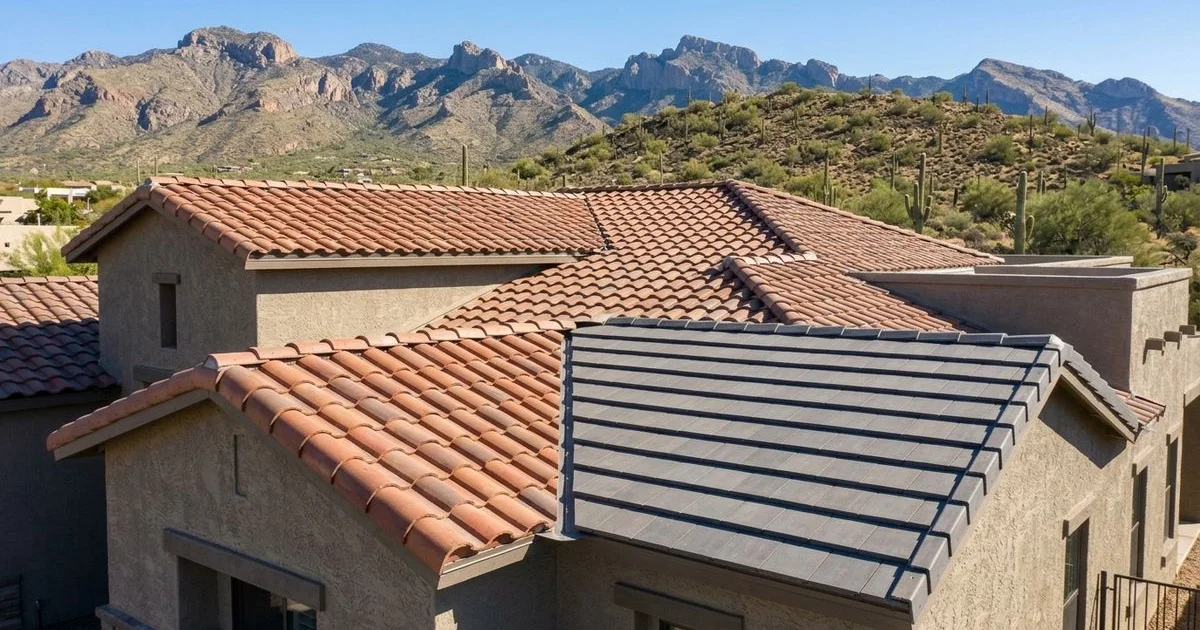
Popular options like Eagle Roofing’s Capistrano profile mimic the traditional Spanish barrel look flawlessly. The raw materials for these modern concrete products currently run about $3 to $5 per square foot in 2026. They gained massive popularity in the 1970s as an affordable, mass-produced alternative for large housing developments.
Our installation experts see concrete on the vast majority of Tucson homes built in the last four decades.
Clay vs Concrete Tile Roofing in Tucson: What You Need to Know
Cost
Concrete remains the clear budget-friendly choice for local homeowners. Current 2026 pricing in the Tucson area typically ranges from $10 to $16 per square foot for standard concrete installations. Clay requires a much larger upfront financial commitment. Expect to pay roughly $15 to $25 per square foot for authentic fired clay.
| Material Type | Installed Cost (Per Sq Ft) | Estimated Total (2,000 Sq Ft Roof) |
|---|---|---|
| Concrete Tile | $10 to $16 | $20,000 to $32,000 |
| Authentic Clay Tile | $15 to $25 | $30,000 to $50,000 |
We calculate a massive price difference of $10,000 to $18,000 for a standard 2,000-square-foot roof. The energy-intensive kiln firing process drives this massive cost gap. Mass-produced concrete simply requires less overhead and energy to manufacture at scale.
Our estimators always recommend concrete if initial savings dictate your project timeline. You might also want to review our Tucson metal roofing cost guide for another highly affordable option.
Weight
Both materials add tremendous dead weight to your roof structure. Recent engineering specs show that concrete tiles push the scale at 820 to 1,100 pounds per square. A roofing “square” equals exactly 100 square feet of coverage area.
“Concrete tiles represent one of the heaviest roofing options on the market, pushing 1,100 pounds per square and often requiring structural reinforcement on homes built before 1960.”
Clay is noticeably lighter in comparison. It averages around 600 to 650 pounds per square. We always evaluate your roof framing with a critical eye before starting any installation.
Many older Tucson homes feature lighter trusses that cannot safely hold modern concrete. Pima County residential building codes require continuous load path verifications and sometimes structural wood reinforcement if you upgrade from standard shingles to heavy tile. These older structures often require professional engineering reports before work can begin.
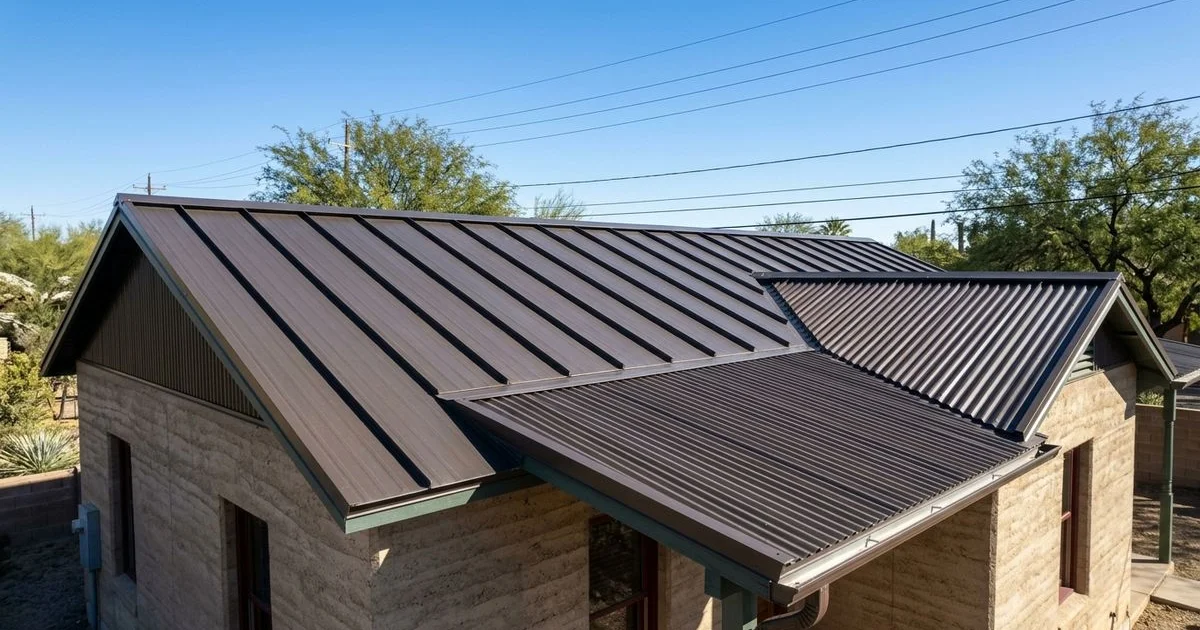
Our team strongly suggests reviewing alternative materials if structural weight poses a serious concern. For example, metal roofing provides a great option at just 1 to 3 pounds per square foot.
Durability and Lifespan
Clay completely dominates the longevity category. A properly installed clay system easily lasts 80 to 100 years. Concrete offers a respectable 40 to 50 years before the material starts to become overly porous and degrade.
We frequently remind clients that the exterior shells will always outlast the waterproof layer hidden underneath. You have a few distinct options for this critical waterproof barrier:
- Traditional 40-pound felt: Survives only 15 to 20 years in the intense desert heat.
- Synthetic underlayment: Products like Boral TileSeal HT provide advanced tear resistance and last 25 to 30 years.
- SBS-modified rubberized asphalt: Options like MBTechnology Layfast SBS offer premium waterproofing and self-sealing capabilities for up to 35 years.
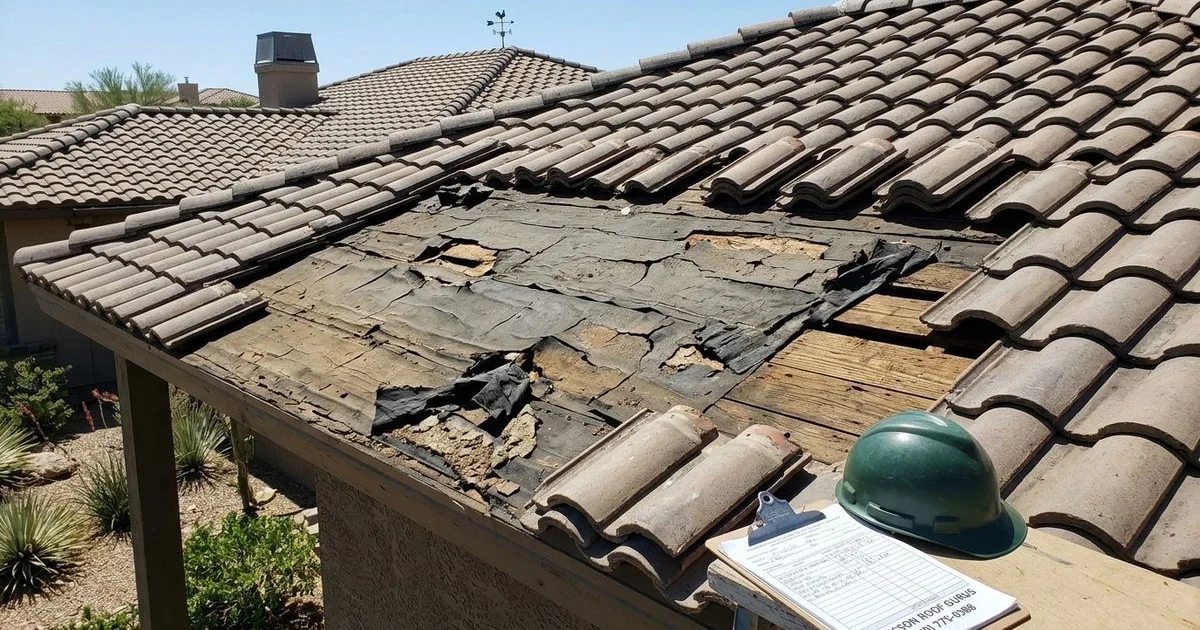
Our service technicians eventually perform a “lift and lay” repair on almost every tile home in southern Arizona. This process involves carefully removing the heavy tiles, replacing the damaged waterproof barrier, and putting the original pieces back in place. Watch out for the early signs your tile roof underlayment is failing well before interior leaks start ruining your drywall.
Color Retention
Visual aging highlights a major difference between these two products. Clay maintains its vibrant, earthy appearance indefinitely without any extra effort on your part.
“The intense manufacturing process bakes the color entirely through the natural earth, meaning a 50-year-old historic clay roof often looks exactly like a brand new installation.”
We warn homeowners that concrete relies heavily on applied surface pigments and chemical sealers. These exterior coatings degrade noticeably under extreme daily UV exposure. Concrete generally fades 10 to 20 percent over a couple of decades.
It also occasionally develops efflorescence, a chalky white salt deposit that alters the surface appearance. Our maintenance crews recommend budgeting for periodic chemical resealing to keep the exterior looking fresh.
Performance in Extreme Heat
Heavy material mass allows both options to provide excellent thermal regulation for your house. They provide natural insulation through a process called thermal lag:
- The tiles absorb intense solar radiation slowly throughout the morning.
- The system delays peak heat transfer into the attic during the hottest hours.
- The heavy mass releases trapped heat gradually during the cool desert night.
This thermal lag can reduce your peak attic temperatures by 15 to 20 degrees compared to basic asphalt shingles. Our installations prove that both materials easily handle Tucson summer extremes.
Concrete safely manages 500-degree surface heat without cracking. Clay takes performance a step further with an incredible 1,000-degree heat tolerance.
Wind and Storm Resistance
Summer monsoons bring 60-mile-per-hour wind gusts and sudden, violent downpours. The heavy weight of these materials naturally prevents dangerous wind uplift during a severe storm. We utilize several installation safeguards to secure the system against harsh weather:
- Specialized polyurethane foam adhesives, like Polyset, bond the tiles to the underlayment.
- Heavy-duty mechanical clips lock the pieces onto the roof deck.
- Upgraded flashings protect the vulnerable ventilation pipes.
A properly anchored system easily survives the worst Arizona weather. The real danger during a severe monsoon involves roof ponding. Heavy rain can quickly overwhelm the drainage valleys if they are clogged with mesquite leaves or desert debris.
Our experts highly advise clearing those valleys before July arrives.
Maintenance Needs
Routine care prevents minor exterior issues from turning into expensive interior water damage. Prompt tile roof repair is essential to stop moisture from reaching the vulnerable SBS-modified underlayment. Our maintenance crews frequently hunt down matching discontinued patterns from older manufacturers to ensure a seamless visual repair.
Common maintenance tasks include several critical steps:
- Replacing individual cracked pieces with exact-match concrete or clay.
- Clearing built-up debris from the drainage valleys.
- Inspecting the hidden underlayment for heat-related brittleness.
- Checking and re-sealing the metal flashings around vents and chimneys.
Walking on these fragile surfaces requires specific professional weight-distribution techniques to prevent shattering the material. You should always hire an expert to conduct annual inspections and clear the valleys safely. We invite you to read our complete guide on how long tile roofs last in Tucson for a detailed maintenance schedule.
Which Should You Choose?
After decades of working with both materials across Tucson, I have a clear set of guidelines. Review this quick data comparison before making your final decision.
| Feature | Clay Tile | Concrete Tile |
|---|---|---|
| Lifespan | 80 to 100+ years | 40 to 50 years |
| Weight Per Square | 600 to 650 lbs | 820 to 1,100 lbs |
| Color Fading | None (Baked-in color) | Fades 10-20% over time |
| Average 2026 Cost | $15 to $25 per sq ft | $10 to $16 per sq ft |
Here is exactly how those features translate into a practical choice for your property. We highly suggest choosing authentic clay tile if the following points match your goals:
- You want the longest possible roof lifespan available.
- Permanent, fade-free color dictates your aesthetic preference.
- Your budget comfortably allows for a premium investment.
- Your home features a traditional Southwestern or Spanish Colonial style.
- You highly value historical architectural authenticity.
Concrete makes a fantastic option under different circumstances. Our estimators typically recommend concrete tile if these factors align with your situation:
- You want the heavy durability of tile at a much lower price point.
- You feel open to exploring a wider range of modern colors and profiles.
- Your home is a newer construction with heavy structural truss support.
- Budget constraints play a major factor in your decision.
- You feel completely comfortable with occasional surface resealing.
Some homes simply cannot handle massive tile loads safely. We strongly advise considering a lighter metal system if you face structural issues:
- Your older roof structure cannot safely support the heavy weight of tile.
- You want maximum energy efficiency and high heat reflection.
- Stripping dead weight off the house is important for structural integrity.
- You highly prefer the absolute lowest-maintenance option available.
You can learn more about lightweight options in our article on the benefits of metal roofing in Arizona.
Get Expert Tile Roofing Advice
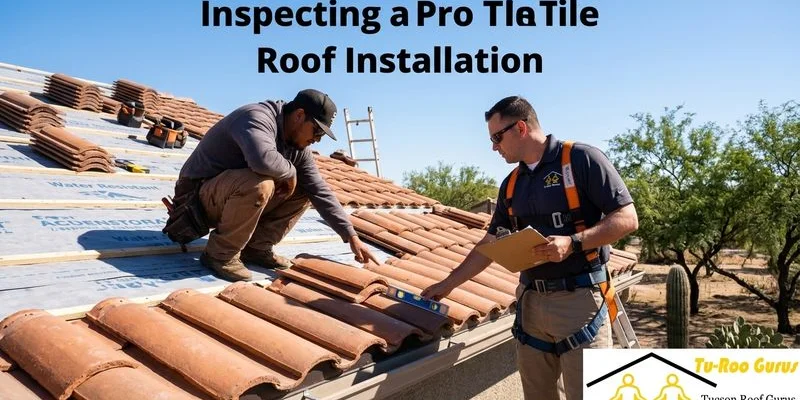
Our team at Tucson Roof Gurus installs and repairs all types of premium tile roofing systems. The estimators on staff provide honest, data-driven recommendations based on your structural needs and financial budget.
We know exactly which products perform best in the southern Arizona climate. A thorough inspection ensures you get the exact right solution to protect your home for decades.
We encourage you to reach out if you still have questions about clay vs concrete tile roofing in Tucson: what you need to know is just a phone call away. Contact us today to schedule a free inspection and a detailed estimate.

Kevin Bayes
Owner, Tucson Roof Gurus
Kevin Bayes has spent over 25 years installing and repairing roofs across southern Arizona. He founded Tucson Roof Gurus to bring honest, owner-operated roofing services to the community.
Free Roofing Estimate
Need help with your roof? Call us for a no-obligation estimate.
(520) 775-0388