Our team, led by Kevin Bayes at Tucson Roof Gurus, has spent 25 years inspecting roofs in this specific environment.
Ignoring a minor roofing issue during extreme thermal shifts is the fastest way to buy an entirely new system. By the time water actually drips into your living room, a simple patch has already morphed into a massive emergency.
We constantly see extreme UV radiation and sudden monsoon downpours cause small flaws to escalate into structural disasters rapidly. Let’s look at the 5 Signs Your Tucson Roof Needs Repair Before It Gets Worse, what recent data tells us, and how to respond.
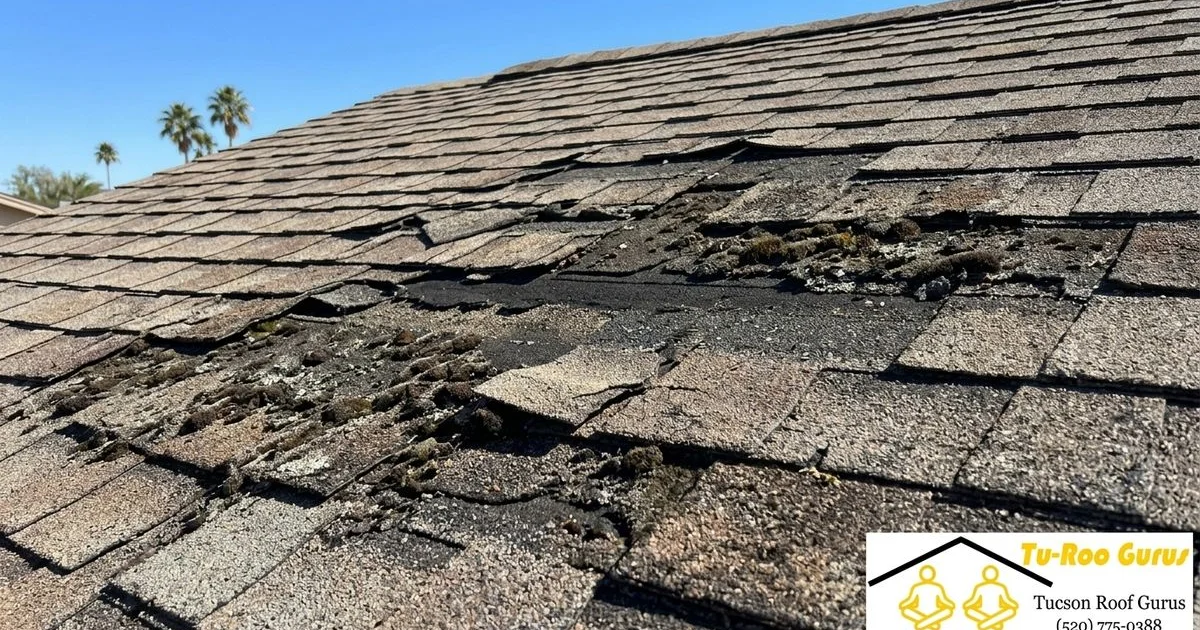
1. Granule Loss on Asphalt Shingles
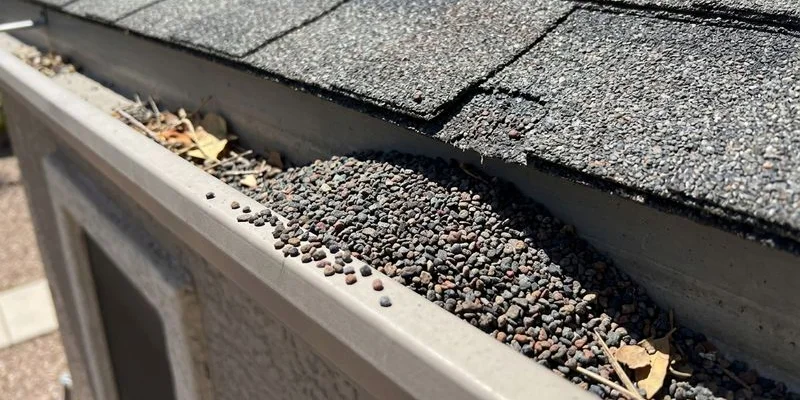
Checking your gutters and downspout outlets after the next rain is crucial if you have an asphalt shingle roof.
A significant accumulation of dark, sand-like granules means your shingles are losing their primary defense system against the Arizona sun. We know those granules serve a vital structural purpose by protecting the underlying asphalt layer from ultraviolet rays.
The National Weather Service reports our local UV index regularly hits 8 or higher during a typical summer. Dark shingles absorb heat rapidly, routinely reaching temperatures of 160 degrees Fahrenheit on a 100-degree day.
Our inspections often reveal that major brands like GAF or Owens Corning, rated for 25 to 30 years, only survive 15 to 20 years in the extreme Tucson heat.
| Shingle Condition | Estimated Surface Temp | Remaining Lifespan |
|---|---|---|
| Healthy Granules | 120°F - 130°F | 20 - 30 Years |
| Moderate Granule Loss | 140°F - 150°F | 10 - 15 Years |
| Severe Bald Patches | 160°F+ | 5 - 7 Years |
Minor bald patches reduce a standard roof lifespan down to just 5 to 7 years. Exposed asphalt dries out, cracks, and curls within a single 1 to 3-month window without its protective granules.
We recommend checking for handfuls of granules in your gutters on an older roof to spot accelerated aging. A professional roof inspection can determine whether targeted repair or a specialized coating application can extend the life of your shingles.
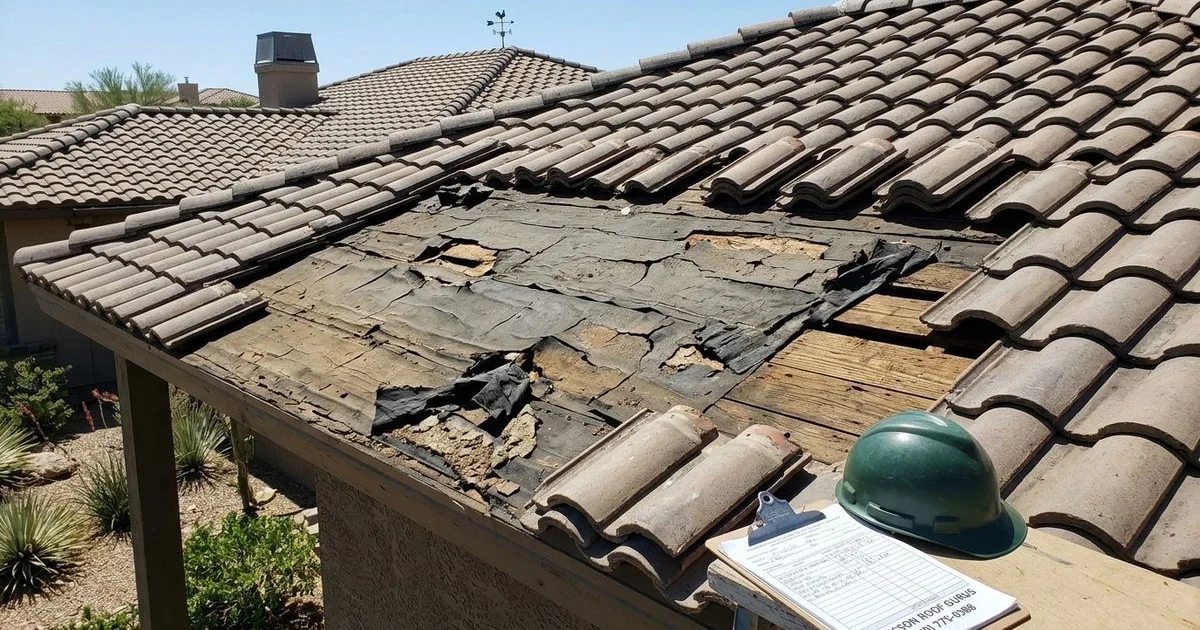
2. Cracked, Slipped, or Missing Tiles
Our region loves tile roofing for excellent reasons.
It handles the blistering heat well, lasts for decades, and perfectly complements the regional architectural style. A broken Boral concrete or clay tile creates a direct entry point for bulk water.
We frequently see monsoon storms produce wind gusts exceeding 60 mph, which easily lift loose tiles and drive rain sideways. Water channels directly onto the underlayment beneath the missing tile. That underlayment layer serves as the actual waterproofing barrier for your home.
Common Tile Failure Points
- Ridges and Hips: These elevated areas take the brunt of monsoon wind shear.
- Valleys: Debris accumulates in these low channels, trapping moisture against the tile edge.
- Penetrations: The cuts around vents and pipes often slip if not secured properly.
- Eaves: The bottom row of tiles frequently suffers damage from careless ladder placement.
We consistently recommend upgrading to high-heat synthetic options rated for 240 degrees, rather than standard felt.
These specific synthetic materials handle our massive daily thermal shifts much better. Missing tiles leave large gaps in your primary armor, allowing UV radiation to bake the underlayment until it turns brittle.
Our detailed pricing guide explains exactly what to expect for tile roof repair costs in Tucson. Do not let a single slipped tile turn into a rotted roof deck.
3. Water Stains on Ceilings or Walls
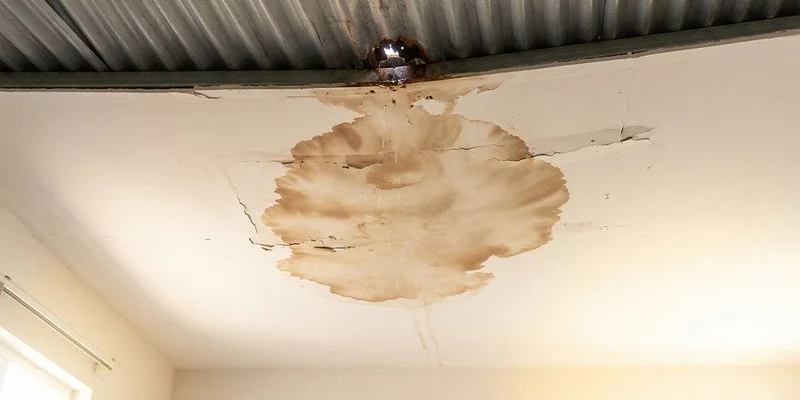
Many homeowners dismiss small water stains or blame them on a leaky pipe rather than a roof failure.
This dry climate can mask the severity of a leak for months at a time. We treat any new water stain on a ceiling or upper wall as a severe roofing issue until proven otherwise.
A roof leak might only appear during an intense August storm and then dry out completely by the next afternoon. This wet and dry cycle lulls people into a false sense of security until the next storm hits.
Our thermal imaging tools often show that the brown circle you see is rarely located directly below the actual breach.
Hidden Dangers of Attic Moisture
- Rapid Mold Growth: Colonies sprout within 48 hours when summer humidity spikes above 60 percent.
- Insulation Damage: Wet fiberglass loses its ability to block heat transfer, driving up your 2026 cooling bills.
- Wood Rot: Prolonged dampness destroys the structural integrity of plywood.
- Pest Attraction: Moisture draws termites and carpenter ants into the framing.
The speed of hidden deterioration in Arizona is staggering. Wet attic insulation combined with 140-degree afternoon attic temperatures creates a perfect incubator for structural rot.
We urge you not to wait for the next heavy rain to see if the stain grows larger.
For immediate action steps, review our post on what to do when you find a roof leak. Taking quick action prevents a minor patch from becoming a major ceiling collapse.
4. Visible Flashing Damage or Separation
We know that flashing consists of the metal pieces installed around roof penetrations like vent pipes, chimneys, skylights, and wall joints.
It directs water away from these highly vulnerable seams. Galvanized steel and copper flashing take an absolute beating from thermal cycling in our market.
Our crews watch metal expand rapidly as it heats up under the afternoon sun and contract sharply as temperatures drop at night. Over thousands of these daily cycles, the sealant binding the flashing cracks, the metal warps, and tiny gaps open up against the roof surface.
You can occasionally spot these separations from the ground if you pay close attention.
Critical Flashing Zones to Monitor
- Chimney Saddles: Water heavily pools behind the masonry block.
- Skylight Perimeters: The rubber gaskets dry rot quickly under direct sun.
- Plumbing Vents: The neoprene boots crack after just a few summers.
- Wall Intersections: Step flashing easily pulls away during foundation settlement.
We avoid cheap hardware store caulk and instead rely on professional-grade elastomeric sealants like Geocel Pro Flex or APOC.
These premium products remain flexible and maintain their bond despite our extreme temperature swings from 100 degrees down to 60 degrees. Targeted flashing repairs provide an incredibly cost-effective fix.
Our structured roof maintenance program pays for itself quickly by catching these minor gaps early.
5. Sagging or Uneven Roof Lines
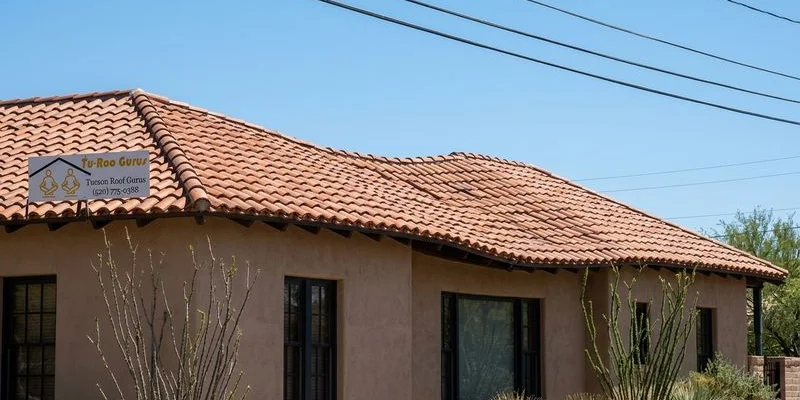
A sagging roofline is the most severe warning sign on this list, signaling a dangerous structural compromise.
Any visible dip, bowing, or deviation from a straight line requires emergency assessment. We find that the underlying roof decking, usually OSB or plywood sheets, has likely rotted away due to chronic moisture exposure.
The heavy wooden trusses themselves begin to buckle in the worst scenarios. This catastrophic failure happens most frequently on flat foam or modified bitumen roofs where poor drainage leads to ponding water.
We remind clients that a single gallon of water weighs 8.34 pounds.
| Roof Type | Primary Sagging Indicator | Common Cause |
|---|---|---|
| Flat Foam Roofs | Standing water puddles that remain 48 hours after rain | Degraded silicone coating and compressed insulation |
| Tile Roofs | Noticeable dips between the rafter tails at the eaves | Rotted fascia boards from failed underlayment |
| Shingle Roofs | A wavy, uneven appearance across the main slope | Delaminated plywood sheathing from attic moisture |
If a clogged scupper backs up and creates a 100-gallon puddle in a low spot, that adds over 830 pounds of dead weight directly onto weakened decking. The constant cycle of monsoon rain pooling, slowly evaporating in the sun, and pooling again will eventually destroy the wood fiber.
We advise immediate action if you notice a visible dip in your roofline.
Resolving this requires everything from replacing a few sheets of plywood to scheduling a complete roof replacement. Acting quickly minimizes the structural damage to your framing.
Why Early Detection Matters More in Tucson
We cannot stress enough that every warning sign discussed above accelerates much faster in the desert than in milder regions.
The unique climate here punishes weak materials without mercy. Tucson experienced record winter warmth going into 2026, and those early 100-degree days start the degradation process sooner than expected.
Our technicians see violent thermal shock snap brittle materials instantly when a 160-degree baked roof surface drops to 80 degrees during a sudden downpour. This brief but violent monsoon season compresses roughly half of our annual rainfall into just a few chaotic weeks.
Three Forces Accelerating Roof Damage
- UV Degradation: Breaks down asphalt and elastomeric sealants at the molecular level.
- Thermal Shock: Rapid cooling from a sudden rainstorm snaps heat-expanded materials.
- Concentrated Rainfall: Delivers excessive water volume that overwhelms minor drainage flaws.
We advise inspecting your roof twice a year, ideally in the spring before the heat peaks, and in the fall after the storms subside.
You can perform a basic ground-level check with binoculars to spot the obvious flaws. Having a professional walk the surface to check the hidden failure points provides much better protection.
Our detailed breakdown on how often you should inspect your roof explains the exact seasonal timeline to follow.
Take Action Before Small Problems Grow
These five warning signs of a failing roof will never resolve themselves, and ignoring them guarantees a more expensive repair bill.
The window between a simple sealant patch and a major structural reconstruction often closes within a single monsoon season. We highly recommend getting a professional assessment right now while the fix is still straightforward and affordable.
Catching the damage early protects your home, your insulation, and your bank account. A small investment in maintenance today saves thousands in emergency repairs tomorrow.
We provide honest, photo-documented inspections and clearly explain exactly what we find up there.
If your roof is healthy and needs zero work, our technicians will gladly tell you that too. If you are ready for a clear, accurate picture of your roof’s current condition, get in touch with us today.

Kevin Bayes
Owner, Tucson Roof Gurus
Kevin Bayes has spent over 25 years installing and repairing roofs across southern Arizona.
Free Roofing Estimate
Need help with your roof? Call us for a no-obligation estimate.
(520) 775-0388